Making trade easier between the EU and South Korea
Published April 01, 2026
Goal: Cut trade barriers
 Community improvement
Clickbaity title? Suggest change
The EU wants to start talks with South Korea so that each side will accept the other’s product tests and certificates, letting companies skip duplicate testing, save time and money, and boost trade.
Document summary The source
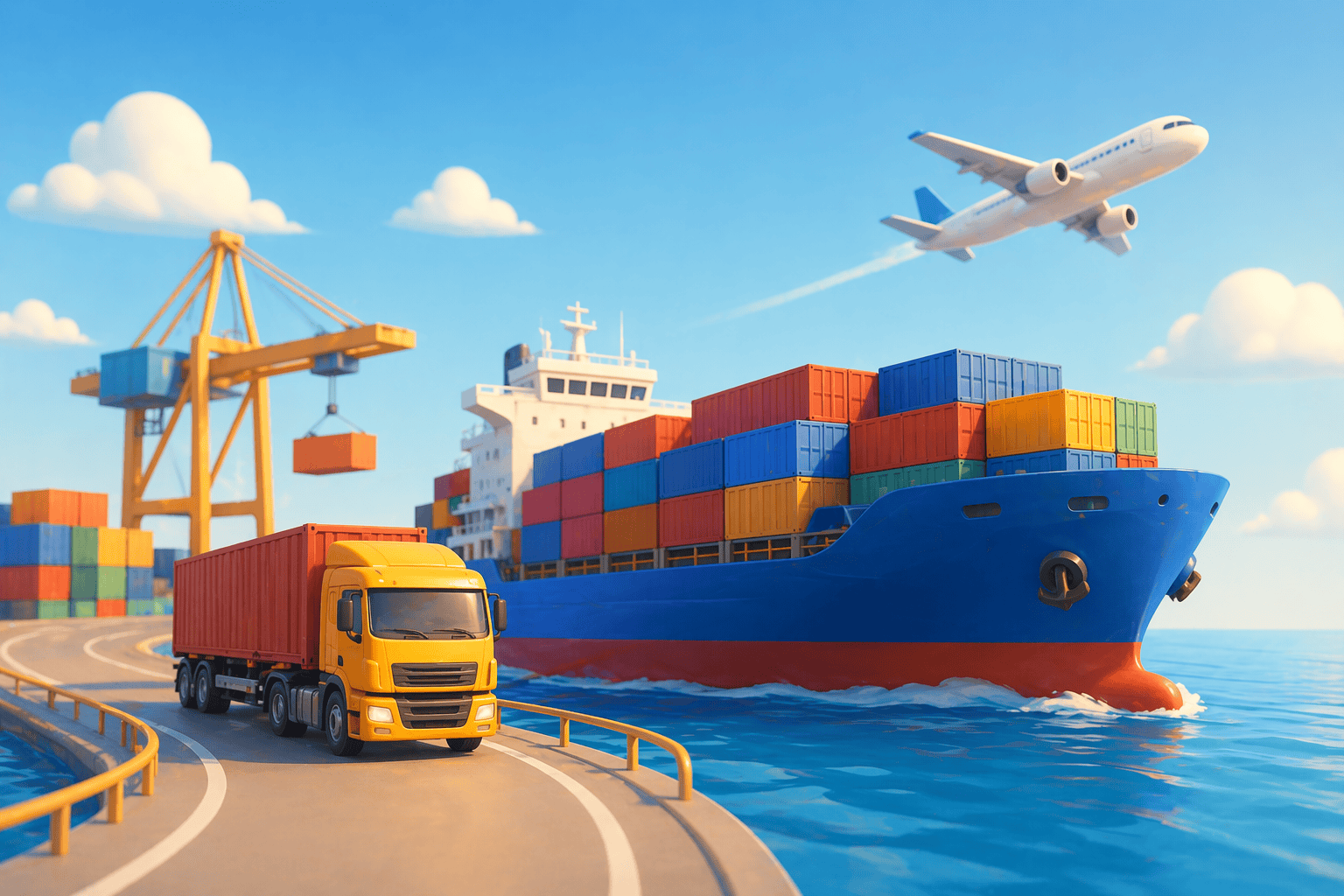
The European Commission recommends that the EU open negotiations with the Republic of Korea (South Korea) to create an agreement on mutual recognition. This agreement would allow both sides to accept each other's testing results, certificates, and product markings, eliminating the need for companies to undergo duplicate testing.
Why this is needed:
The EU already has similar agreements with countries like Australia, Canada, and Japan. These agreements are crucial because they reduce "non-tariff barriers"—extra rules or delays that make trade difficult. By accepting each other's tests, companies save time and money, which is especially helpful for small and medium-sized businesses.
Currently, EU companies do not benefit from equivalent mutual recognition agreements with South Korea, putting them at a competitive disadvantage compared to firms from other countries.
Economic Benefits:
This agreement would significantly boost trade. The existing EU-South Korea Free Trade Agreement already eliminated 98.7% of tariffs. Furthermore, bilateral trade reached EUR 123.7 billion in goods in 2024. By streamlining procedures, the agreement is expected to boost exports, increase the number of exporting firms, and expand product lines, particularly in sectors that make up approximately 30% of total EU exports.
Goal of the Agreement:
The main goal is to facilitate trade by ensuring that both the EU and South Korea accept proof of compliance (like test reports and certificates) issued by the other party's certified testing bodies. The agreement will cover specific products and sectors, ensuring that the free movement of certified goods is maintained while respecting international trade rules.
Contextual Analysis
 This analysis offers additional insights into the background and potential impact of this document. It has been generated by Mistral and rated 5 stars, synthesizing information from search results, recent articles, and commentary. You can view the analysis generated by other AI models:
ClaudeAI
ChatGPT
DeepSeek
This analysis offers additional insights into the background and potential impact of this document. It has been generated by Mistral and rated 5 stars, synthesizing information from search results, recent articles, and commentary. You can view the analysis generated by other AI models:
ClaudeAI
ChatGPT
DeepSeek
Broader context
This recommendation is part of the EU’s ongoing efforts to deepen economic ties with key global partners. The EU-South Korea Free Trade Agreement, already in place, has removed most tariffs, but non-tariff barriers—such as differing conformity assessment procedures—still create extra costs and delays for businesses. Mutual recognition agreements like this one are a standard tool in international trade, used by the EU with other major economies to simplify market access and promote fair competition.
Impact on people living in the EU
For people in the EU, this agreement means more choices and potentially lower prices for products from South Korea, as companies will face fewer costs to bring goods to market. It also supports EU businesses, especially smaller ones, by making it easier and cheaper for them to export to South Korea. This can lead to more jobs and innovation in sectors that rely on these simplified trade rules.
Licensing: This article is available under Creative Commons Attribution 4.0 (CC BY 4.0).