Making trade easier between the EU and South Korea
Published April 01, 2026
Goal: Cut trade barriers
 Community improvement
Clickbaity title? Suggest change
The EU wants to start talks with South Korea so that each side will accept the other’s product tests and certificates, letting companies skip duplicate testing, save time and money, and boost trade.
Document summary The source
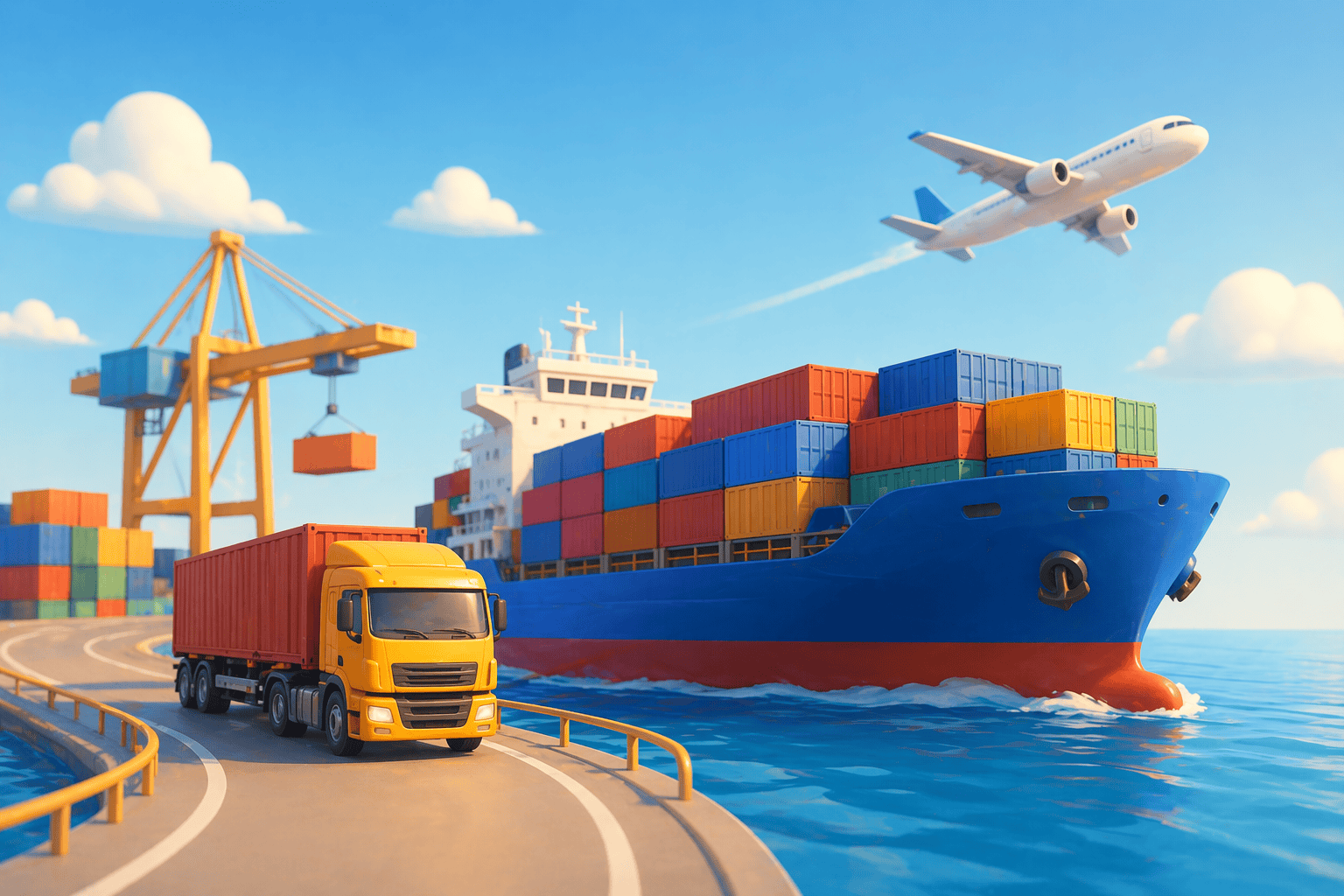
The European Commission recommends that the EU open negotiations with the Republic of Korea (South Korea) to create an agreement on mutual recognition. This agreement would allow both sides to accept each other's testing results, certificates, and product markings, eliminating the need for companies to undergo duplicate testing.
Why this is needed:
The EU already has similar agreements with countries like Australia, Canada, and Japan. These agreements are crucial because they reduce "non-tariff barriers"—extra rules or delays that make trade difficult. By accepting each other's tests, companies save time and money, which is especially helpful for small and medium-sized businesses.
Currently, EU companies do not benefit from equivalent mutual recognition agreements with South Korea, putting them at a competitive disadvantage compared to firms from other countries.
Economic Benefits:
This agreement would significantly boost trade. The existing EU-South Korea Free Trade Agreement already eliminated 98.7% of tariffs. Furthermore, bilateral trade reached EUR 123.7 billion in goods in 2024. By streamlining procedures, the agreement is expected to boost exports, increase the number of exporting firms, and expand product lines, particularly in sectors that make up approximately 30% of total EU exports.
Goal of the Agreement:
The main goal is to facilitate trade by ensuring that both the EU and South Korea accept proof of compliance (like test reports and certificates) issued by the other party's certified testing bodies. The agreement will cover specific products and sectors, ensuring that the free movement of certified goods is maintained while respecting international trade rules.
Contextual Analysis
 This is one of the alternative context analyses generated by ClaudeAI and rated 4 stars. Other AI versions:
Mistral
ChatGPT
DeepSeek
This is one of the alternative context analyses generated by ClaudeAI and rated 4 stars. Other AI versions:
Mistral
ChatGPT
DeepSeek
Broader context
Mutual Recognition Agreements (MRAs) on conformity assessment have been part of EU trade policy since the late 1990s. The EU already has them with Australia, Canada, Japan, New Zealand, the USA, Israel, and Switzerland. They cover specific product sectors — things like telecommunications equipment, medical devices, machinery, and electrical products — not all goods across the board.
It's worth understanding what "conformity assessment" actually means: before a product can be sold in a country, it often needs to be tested and certified to prove it meets that country's safety and technical rules. Without an MRA, a company may need to go through this process twice — once for their home market and once for the export market — even if the tests are essentially identical. MRAs allow EU exporters to use the same testing and certification bodies for both domestic and export markets.
This document is a recommendation from the European Commission to the Council — it's the first formal step in a long process. The Council would first need to authorise the Commission to negotiate, then negotiations with South Korea would begin, and any final agreement would still need to be approved before taking effect. This could take several years.
Interestingly, the EU-Korea Free Trade Agreement, which has been in force since 2011, already included a provision foreseeing exactly this kind of negotiation on mutual recognition of conformity assessment — so this recommendation is in some ways a delayed follow-through on a commitment made over a decade ago.
Impact on people living in the EU
For most people in the EU, the direct, day-to-day impact is limited. This agreement operates behind the scenes, between businesses and testing laboratories.
The more tangible effects are indirect. Research shows that MRAs can increase export values by 15–40% and raise the likelihood that small and medium-sized businesses start exporting at all. More EU companies selling to South Korea can mean more jobs and economic activity at home.
There is also a potential consumer benefit: MRAs do not require any direct financial burden on taxpayers — they are a pro-competitive policy that works through market forces rather than public subsidies. When companies spend less on duplicate testing, those savings can eventually reflect in product prices, though this effect is diffuse and hard to feel directly.
Impact on people living in South Korea
The agreement works both ways. South Korean companies exporting to the EU would equally benefit — their products, tested and certified at home, would be accepted in EU markets without needing to be re-tested by EU-based bodies. This lowers the cost of entering the European market for South Korean businesses, particularly smaller ones.
Licensing: This article is available under Creative Commons Attribution 4.0 (CC BY 4.0).