

Simplifying Rules for GM Microbes and Organ Processing
Published December 16, 2025
Goal: Simplify biotech rules
 Community improvement
Clickbaity title? Suggest change
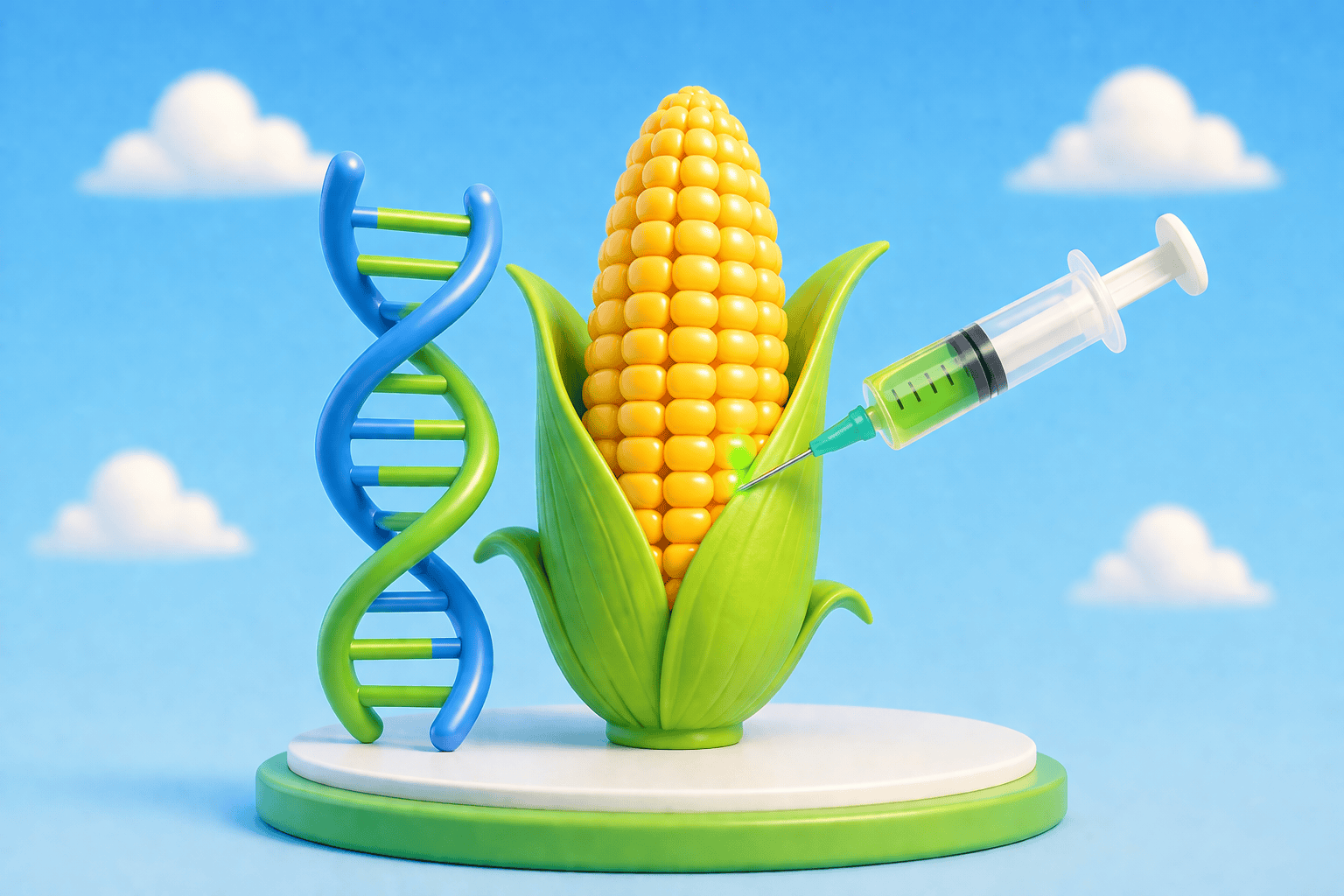
This Directive updates EU rules on genetically modified microbes and organ processing to make approvals easier for companies and hospitals, adding new low‑risk categories, simplifying paperwork, and ensuring safety for new preservation methods.
Document summary The source
What the document is about
The European Commission proposes a new Directive that amends two existing EU laws:
- Directive 2001/18/EC – rules for the release and marketing of genetically modified organisms (GMOs).
- Directive 2010/53/EU – rules for the quality and safety of human organs for transplantation.
The aim is to update these rules so they match the new “European Biotech Act” (Regulation (EU) …/…) and to make the regulatory framework easier to use for companies and health‑care providers.
1. What problem is being addressed?
- Genetically modified micro‑organisms (GMMs) – the old GMO rules were written mainly for plants and are too strict for many useful GMMs (e.g., bio‑fertilisers, biopesticides, industrial bioremediation).
- Organ processing – new preservation and processing techniques are not covered by the current organ‑transplant law, creating legal uncertainty for transplant centres and regulators.
Both gaps slow down innovation, increase costs, and can delay the availability of useful products and treatments.
2. How the problem is being solved here
| Area | Key changes | Why it helps |
|---|---|---|
| GMMs | • New definitions of “micro‑organism” and “genetically modified micro‑organism”. • Introduction of a “low‑risk GMM” category with clear scientific criteria. • Unlimited validity of market consent for GMMs. • Simplified risk‑assessment information requirements. • Adapted detection‑method rules for cases where standard tests are not feasible. | Makes the rules fit the biology of GMMs, speeds up approvals, and reduces paperwork for low‑risk products. |
| Organ processing | • Adds “processing” to the list of activities covered by the organ‑transplant Directive. • Requires transplant centres to get prior authorisation before using a processed organ, unless a clinical‑outcome monitoring plan is in place. • Mandates a benefit‑risk assessment for each processing operation. • Requires coordination with authorities that regulate medicinal products, medical devices, and substances of human origin. • Publishes a list of authorised processing operations. | Gives clear legal status to new preservation methods, protects patients, and ensures that all relevant authorities are involved. |
Both sets of changes are based on scientific advice from the European Food Safety Authority (EFSA) and on consultations with stakeholders such as industry, research groups, and transplant centres.
3. What changes as a result of this document
- Directive 2001/18/EC will now contain a new “Title II” that applies only to GMMs, with new articles (24a‑24g) covering definitions, low‑risk status, consent validity, detection methods, and monitoring.
- Directive 2010/53/EU will be amended to include “processing” in its scope, add a new Article 6a on organ‑processing authorisation, and update Annex B with a new “Processing” entry.
- The amendments are legally binding for all EU Member States and will enter into force 20 days after publication in the Official Journal.
- No direct impact on the EU budget is expected.
Other important information
- Legal basis – Article 114 (internal market) and Article 168(4) (public health) of the Treaty on the Functioning of the EU.
- Subsidiarity & proportionality – the Union acts only where Member States cannot achieve the same objectives.
- Stakeholder input – the proposal follows a 2021 EFSA study on new genomic techniques, a 2024 EFSA opinion on GMMs, and a 2025 report from the European Network of GMO laboratories.
- Implementation – Member States must transpose the Directive into national law within 24 months of entry into force and must notify the Commission of the adopted provisions.
- Transparency – the Commission will publish a list of authorised organ‑processing operations and will adopt implementing acts to detail the rules for low‑risk GMMs and organ‑processing authorisations.
This Directive is part of the broader European Biotech Act strategy to make the EU a more competitive, innovative, and safe environment for biotechnology across health, agriculture, industry, and the environment.
Licensing: This article is available under Creative Commons Attribution 4.0 (CC BY 4.0).